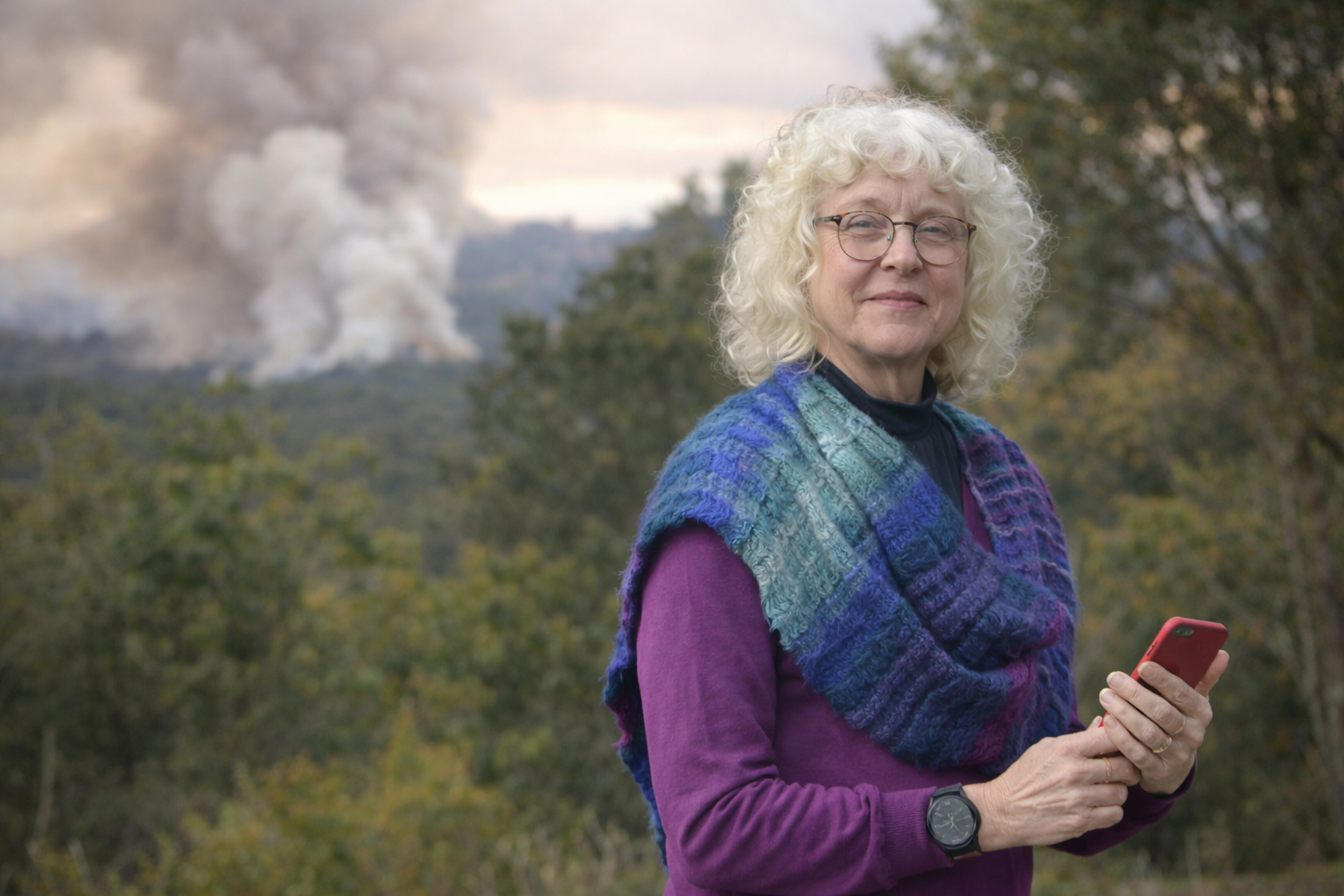
Jo McCubbin’s story is not the kind that unfolds through celebrity headlines or viral moments. Instead, it has been shaped quietly and steadily through years of clinical work, community involvement, and a deep concern for the environments in which children grow up. Known primarily as a paediatrician based in regional Victoria, Australia, she has become widely recognised for linking child health with environmental and climate-related issues. Her biography reflects a professional life where medicine, ethics, and civic responsibility intersect.
Early Professional Path and Medical Career
Jo McCubbin trained and worked as a paediatrician at a time when regional healthcare in Australia faced ongoing challenges. Staffing shortages, long travel distances for families, and limited access to specialised services were everyday realities. Choosing to practise in Gippsland, rather than a major metropolitan centre, placed her close to these challenges and to the communities most affected by them.
Working in Sale and surrounding areas, McCubbin treated children with a wide range of conditions, from routine developmental issues to complex chronic illnesses. Over time, she observed patterns that extended beyond individual diagnoses. Respiratory problems, asthma flare-ups, and anxiety among families often coincided with environmental events such as bushfires, industrial smoke, or prolonged poor air quality. These observations gradually shaped her broader outlook on paediatrics.
Rather than viewing illness in isolation, McCubbin came to see child health as inseparable from social and environmental conditions. This perspective would later define much of her public work and advocacy.
Practising Paediatrics in Regional Victoria
Regional medicine demands a particular kind of resilience. In Gippsland, paediatricians often serve as both specialists and generalists, supporting families across large geographic areas. For many parents, a local paediatrician represents continuity, reassurance, and advocacy within a complex health system.
McCubbin’s role in Sale placed her at the centre of these relationships. Families relied on her not only for medical treatment, but also for guidance during periods of uncertainty, especially when environmental events disrupted normal life. Smoke-filled weeks during fire seasons, for example, raised urgent questions about school attendance, outdoor activity, and long-term health risks for children.
Her experience underscored how environmental stressors disproportionately affect children, particularly those with existing respiratory or developmental vulnerabilities. These realities pushed her to think beyond the consultation room and towards broader systems that influence health outcomes.
Turning Clinical Insight into Public Advocacy
Jo McCubbin became publicly known for speaking out on air quality and health in Gippsland. Her advocacy was grounded in lived experience rather than abstract theory. During smoke events caused by bushfires or planned burn-offs, she highlighted the lack of local air quality monitoring and the confusion this created for residents.
For parents trying to protect their children, not knowing whether the air was safe could be as stressful as the smoke itself. McCubbin argued that accessible, local monitoring would allow families to make informed decisions, reduce unnecessary exposure, and build trust between communities and authorities.
Her public comments were not framed as political statements, but as extensions of clinical responsibility. From her perspective, preventing illness through better information and infrastructure was as important as treating it after the fact.
Involvement in Health Governance and Research
McCubbin’s expertise was recognised beyond local media and community discussions. She served as a member of the Clinical Reference Group for the Hazelwood Health Study, a major research initiative examining the health impacts of prolonged smoke exposure from the Hazelwood coal mine fire.
In this role, she contributed clinical insight to help shape how findings were interpreted and communicated to both health professionals and the public. Participation in such governance structures reflected her commitment to evidence-based approaches and her belief that research must translate into practical outcomes for affected communities.
This involvement also placed her at the intersection of medicine and policy, where clinical voices can influence long-term planning and preparedness for future environmental health events.
Climate and Health as a Professional Responsibility
Over time, Jo McCubbin’s focus expanded from local air quality issues to the broader relationship between climate change and health. She became associated with organisations that frame climate change as a public health issue, rather than solely an environmental or economic one.
As a board member of the Climate and Health Alliance, she joined other health professionals advocating for policies that reduce pollution, limit climate-related health risks, and prioritise vulnerable populations, especially children. The underlying logic was simple and medically sound: the same activities that drive climate change often degrade air quality and harm human health.
From a paediatric standpoint, the implications are profound. Children will live longer with the consequences of today’s environmental decisions. McCubbin’s work consistently returned to this long-term view, asking not only how to treat today’s illnesses, but how to prevent tomorrow’s.
Civic Engagement and Political Involvement
Jo McCubbin’s biography also includes a period of direct political engagement. Between the late 1990s and mid-2000s, she stood as a candidate in Victorian state elections, first with the Australian Democrats and later as an independent.
While she was not elected, these campaigns reflected a willingness to engage with democratic processes in pursuit of systemic change. For a medical professional, entering politics can be controversial, yet McCubbin’s involvement aligned with her broader philosophy that health outcomes are shaped by policy decisions.
Her political candidacy did not replace her medical identity. Instead, it complemented it, offering another avenue through which she could advocate for healthier communities and sustainable futures for children.
Community Networks and Ongoing Involvement
Beyond formal roles, McCubbin has remained involved in local and regional networks focused on climate action and community resilience. She has been listed as a volunteer board member of the Gippsland Climate Change Network, an organisation that brings together individuals and groups working towards climate solutions in the region.
This kind of involvement highlights an important aspect of her biography: continuity. Rather than moving from one cause to another, McCubbin’s work shows a consistent thread of concern for children, health equity, and environmental responsibility.
Her engagement has spanned decades, adapting to new challenges while remaining rooted in the same core values.
A Biography Shaped by Place and Principle
Jo McCubbin’s life and career illustrate how place can shape professional identity. Practising in Gippsland exposed her to the immediate health impacts of environmental change, from smoke events to community stress. These experiences, in turn, shaped her public voice and advocacy.
Unlike figures whose influence comes from national platforms or institutional power, McCubbin’s authority has been built through proximity to patients and communities. Her credibility rests on the trust of families who saw firsthand how environmental conditions affected their children’s wellbeing.
This grounding distinguishes her from more abstract policy advocates. Her arguments consistently return to lived experience, clinical evidence, and practical solutions.
The Broader Significance of Her Work
In recent years, the medical community has increasingly recognised climate change and pollution as major health threats. Global data now confirms what clinicians like McCubbin observed early on: air pollution remains one of the leading environmental risk factors for disease, and children are among the most vulnerable.
Within this context, Jo McCubbin’s biography reads less like an outlier story and more like an early example of a growing movement. Doctors around the world are beginning to speak not only about symptoms and treatments, but also about the systems that create illness in the first place.
Her career demonstrates how paediatrics, perhaps more than any other specialty, naturally extends into questions of environment, policy, and intergenerational responsibility.
Conclusion
Jo McCubbin’s biography is defined by integration rather than separation. She has integrated clinical practice with community advocacy, medical ethics with environmental awareness, and individual patient care with broader public health systems.
From her work as a paediatrician in Sale to her involvement in air quality debates, health research governance, and climate-health organisations, she has consistently focused on one central question: what does it mean to protect children’s health in a changing world?
Her story offers a quiet but powerful reminder that medicine does not end at the clinic door. For clinicians like Jo McCubbin, caring for children means caring for the air they breathe, the communities they live in, and the future they will inherit.


